From the Desk of Chairman

| Print |

The Gujarat Electricity Regulatory Commission (GERC) was constituted, in pursuance of the provisions of the Electricity Regulatory Commission (ERC) Act, 1998, by the Government of Gujarat in the year 1998. The Commission started functioning from 19 April 1999. This was an important milestone in power sector reform. There were major changes in the legal framework with the enactment of the Gujarat Electricity Industry (Reorganization and Regulation) Act, 2003 and the Electricity Act, 2003. The GERC which was already in existence was deemed to be established under the relevant provisions of the above two Acts.

The Electricity Act, 2003 has significantly enlarged the functions, powers and responsibilities of the GERC. The Act has entrusted GERC with, in addition to tariff fixation, responsibilities/functions to create an environment conducive to promoting growth, efficiency and economy in the power sector as well as to safeguard the interests of the consumers.

Gujarat has made rapid strides in the growth and transformation of the power sector in recent times. At present the total power generating capacity of the state is 12,508 MW including its share from the central sector to the extent of 2,724 MW. In addition, the power generating capacity from renewable sources is to the extent of 1,823 MW. Efforts are being made so as to reach the power generating capacity of 18,759 MW (including central sector share of 4,610 MW) by the year 2012. There are also innovations such as Jyoti Gram Yojana(JGY) and e-Urja to improve access and quality of electricity in the state.

The GERC has contributed significantly to this endeavour by introducing a proactive, forward-looking and effective regulatory framework. During the last decade, the Commission has notified 27 Regulations, encompassing a wide range of subjects relating to electricity regulations. It has dealt with a large number of petitions and miscellaneous applications during this period. The tariff orders issued by the Commission are based on the fundamental principles enshrined in the Electricity Act that envisage balancing the interests of licensees and that of consumers, thereby achieving the twin objectives of ensuring reasonable return to investors and at the same time protecting the interests of consumers. The overall objective is, of course, to ensure balanced and accelerated growth of the electricity sector.
A remarkable feature of the electricity scenario in Gujarat is that both the government owned utilities and those in the private sector have contributed immensely to the sustainable growth and development of the state besides achieving the key objective of the Electricity Act of providing to the consumers quality power at a reasonable price.

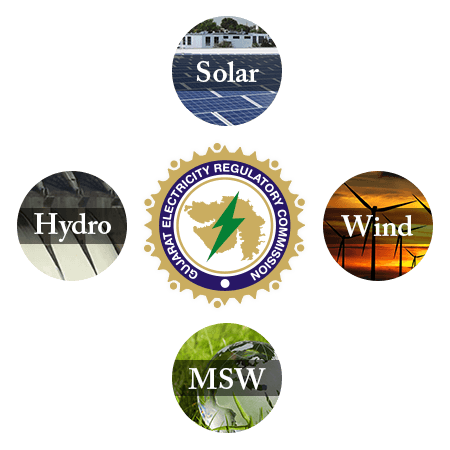
As it is well known, the issue of climate change poses serious challenges to the economic and social wellbeing of developing countries like India. The Government of India’s National Action Plan on climate change affirms India’s sustainable development priorities and provides a framework to address issues of climate change. The Electricity Act 2003, the National Electricity Policy and the Tariff Policy provide a legal and policy framework for green energy. Government of India has initiated a number of measures for promotion of renewable energy. The Jawaharlal Nehru National Solar Mission is an important initiative. There are also schemes of generation based incentives for wind energy, and solar roof-top projects, capital subsidy for biomass project and so on. Government of Gujarat has also made pioneering efforts in this direction.

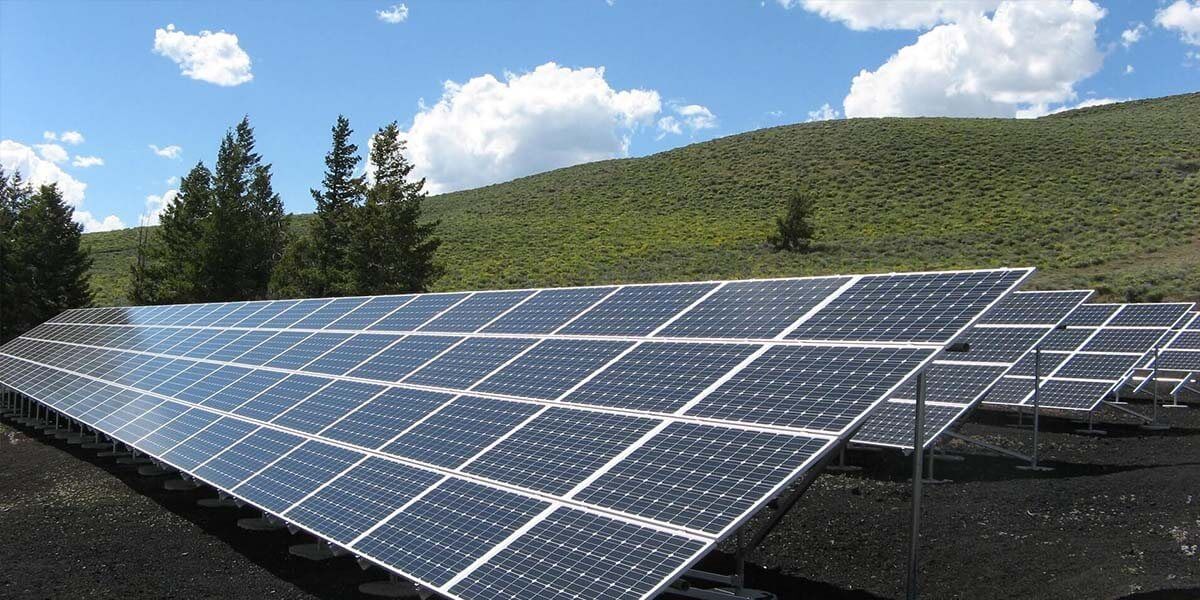
Keeping the above aspects in view, the GERC has taken several new initiatives. It was the first State Regulatory Commission in the country to come out with a comprehensive tariff order on solar energy. It was initially subject to certain criticisms at the national level. It was felt that the tariff was unrealistic. As experience has shown, it was a bold initiative to strike a balance between the interest of investors and that of consumers. It was a rational approach for sustainable development of solar energy.

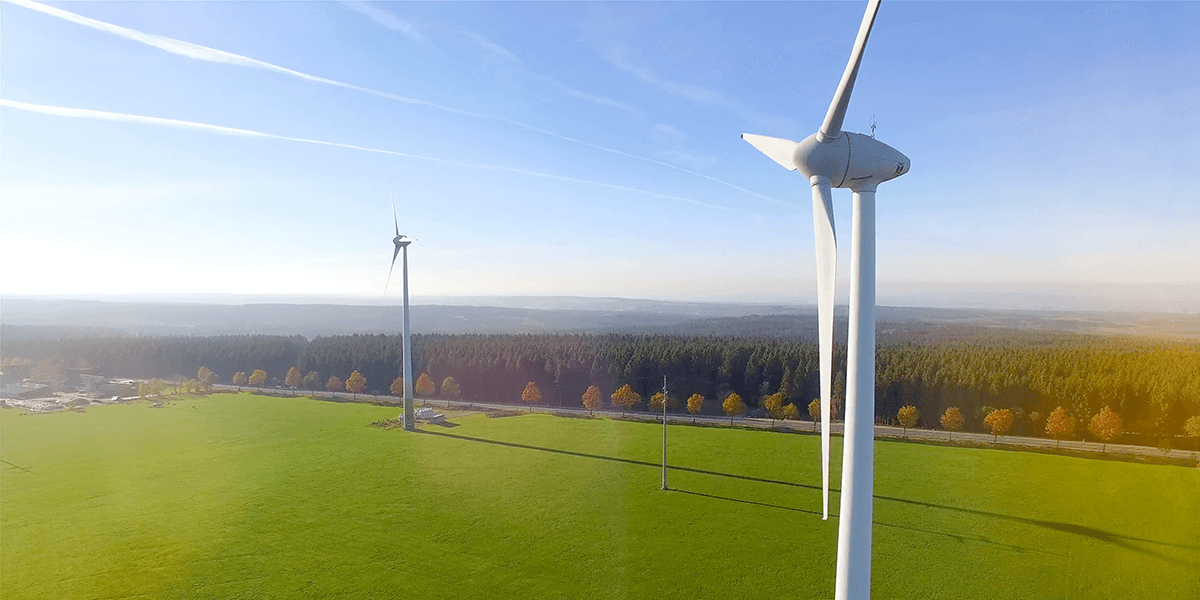
In recent times, GERC has updated its tariff and regulatory framework in respect of wind, biomass and bagasse based power projects. Taking into consideration the increased cost and the changed economic scenario, it has addressed issues of tariff and other technical and commercial aspects. The Commission has revised the tariff for wind energy from Rs. 3.37 per unit to 3.56 per unit and allowed third-party sale without cross-subsidy. Project developers are allowed to wheel power at lower transmission and wheeling charges as a promotional measure.


In the context of the CERC regulation on Renewable Energy Certificate (REC), GERC was the first Commission in the country to incorporate the provisions of REC in its Regulations. The REC Mechanism is extremely important in the context of Renewable Power Purchase Obligation ( RPO) so as to provide wider choice to generators, utilities and other entities and also to create a market mechanism for renewable energy. The Commission has revised the RPO percentage from 2 to 5, 6 and 7 percentages respectively for the years 2010-11, 2011-12 and 2012-13.

There has been tremendous focus on issues of consumer grievance redressal and public participation. As per the provisions of the Act, the State Advisory Committee and the Coordination Forum meet frequently to discuss various issues. Members of the State Advisory Committee have played an important role in contributing to various initiatives of the Commission. It is important to note that all the distribution utilities have established Consumer Grievances Redressal Forums. The Commission has introduced a system of regular interactions with the members of the Forums. The Commission for the first time appointed an independent Ombudsman on 31 December 2009.

Dr .P. K. Mishra

Chairman

 
Our Links
Acts & Rules
Useful Information
Ombudsman
Consumer Grievances
Feedback
 
 
News Update
Sign Up for News Updates

Design & Develop By MahaLaxmi Associates.